
Natural Deodorant Without Baking Soda: A Gentle Guide
by Ian Gabbidon on Oct 04, 2026

Table of Contents
- Why Baking Soda Causes Underarm Irritation
- Baking Soda Rash Deodorant: How to Spot and Soothe It
- How to Treat Itchy Underarms from Deodorant
- Baking Soda-Free Alternatives: Magnesium Hydroxide vs Zinc Oxide
- How to Transition to Natural Deodorant Without Discomfort
- Choosing the Best Natural Deodorant for Sensitive Skin
- Sweat vs Odour: What Natural Deodorant Can and Cannot Do
- Clothing and Stain Prevention with Baking Soda-Free Deodorant
- Conclusion: Finding Comfort and Confidence
- Frequently Asked Questions
Last Updated: October 4, 2026
Why Baking Soda Causes Underarm Irritation
If you've ever pulled on a top and winced at a stinging, raw feeling under your arms, you're not imagining it. Many people searching for a natural deodorant without baking soda have already been through the cycle: they switched to a "clean" brand, felt fine for a week, then developed a burning rash that took days to settle. The culprit is usually sodium bicarbonate, better known as bicarbonate of soda.
Here at Iuvo Skincare, we've spoken to enough customers with eczema and reactive skin to know this pattern well. It's one of the most common reasons people abandon natural deodorant altogether and go back to a conventional antiperspirant.
The good news is that bicarbonate-free formulas exist, and they work. Below, we'll explain exactly why the rash happens, how to soothe it, and how to choose a gentle alternative that keeps you fresh without the sting.
The Science Behind the Rash
Sodium bicarbonate is alkaline, with a pH of around 9. Your underarm skin sits at roughly pH 4.5 to 5.5, slightly acidic by design. That acidity is part of your skin barrier, the outer layer that keeps irritants out and moisture in.
When you apply bicarbonate of soda daily, you push that area into alkaline territory. The skin barrier weakens, moisture escapes, and the underarm becomes far more reactive to friction, sweat and synthetic fragrance. For most people this shows up as redness and itching. For those with sensitive skin, eczema or psoriasis, it can tip into a full dermatological reaction.
Baking Soda Rash Deodorant: How to Spot and Soothe It
A baking soda rash deodorant reaction has a recognisable signature. It usually appears within three to ten days of starting a new product, and it favours the crease of the underarm and the outer edge where the skin folds.
Watch for these signs:
- Persistent itching that gets worse through the day
- Redness or a raised, bumpy texture
- A burning sensation when you apply or sweat
- Dry, flaking patches that don't respond to moisturiser
- In severe cases, small blisters or cracked skin
If you recognise two or more of these, treat it as a barrier problem rather than a hygiene problem.
Stop the product. Switch to plain water and a fragrance-free, soap-free wash for a few days. Apply a simple emollient, something with a short ingredient list, to help the skin barrier rebuild. Avoid exfoliating, shaving or applying any other active ingredient to the area until it settles.
Most mild cases calm down within a week. If the rash spreads, weeps, or shows no improvement after seven to ten days, speak to a pharmacist or your GP. Underarm skin is thin and delicate, and a persistent dermatitis reaction deserves proper medical attention.
How to Treat Itchy Underarms from Deodorant
Knowing how to treat itchy underarms comes down to three things: remove the trigger, calm the skin, and rebuild the barrier.
- Remove the trigger. Identify whether the irritant is bicarbonate of soda, synthetic fragrance, or a preservative. Bicarbonate is the most frequent offender, which is why aluminium-free and bicarbonate-free formulas are the safer starting point.
- Calm the inflammation. Cool compresses, oat-based emollients and fragrance-free moisturisers help. Keep the area dry and let air reach it where you can.
- Rebuild the skin barrier. Look for moisturising agents such as shea butter, coconut oil and other plant-based butters. These support the barrier rather than stripping it.
There's a useful distinction here that most guides skip. Itching from a new deodorant is often a contact reaction, not an allergy. That means removing the trigger is usually enough, and you may still be able to wear a natural deodorant, just not one built on sodium bicarbonate.
Baking Soda-Free Alternatives: Magnesium Hydroxide vs Zinc Oxide
The two active ingredients that have replaced bicarbonate of soda in most gentle formulas are magnesium hydroxide and zinc oxide. Both control odour without the alkaline punch, but they behave differently.
Magnesium hydroxide works by neutralising the acids that odour-causing bacteria produce. It's generally well tolerated and is the go-to for people who reacted badly to bicarbonate. It tends to feel lighter on the skin.
Zinc oxide is a mineral with mild antibacterial properties. It's often used in formulas aimed at very reactive skin, and it has a slightly drier finish. Some people find it more effective for heavier perspiration days.
|
Ingredient |
How It Works |
Best For |
Watch Out For |
|---|---|---|---|
|
Magnesium hydroxide |
Neutralises odour acids |
Most sensitive skin |
Can feel chalky in high doses |
|
Zinc oxide |
Mild antibacterial action |
Very reactive or eczema-prone skin |
Drier finish some dislike |
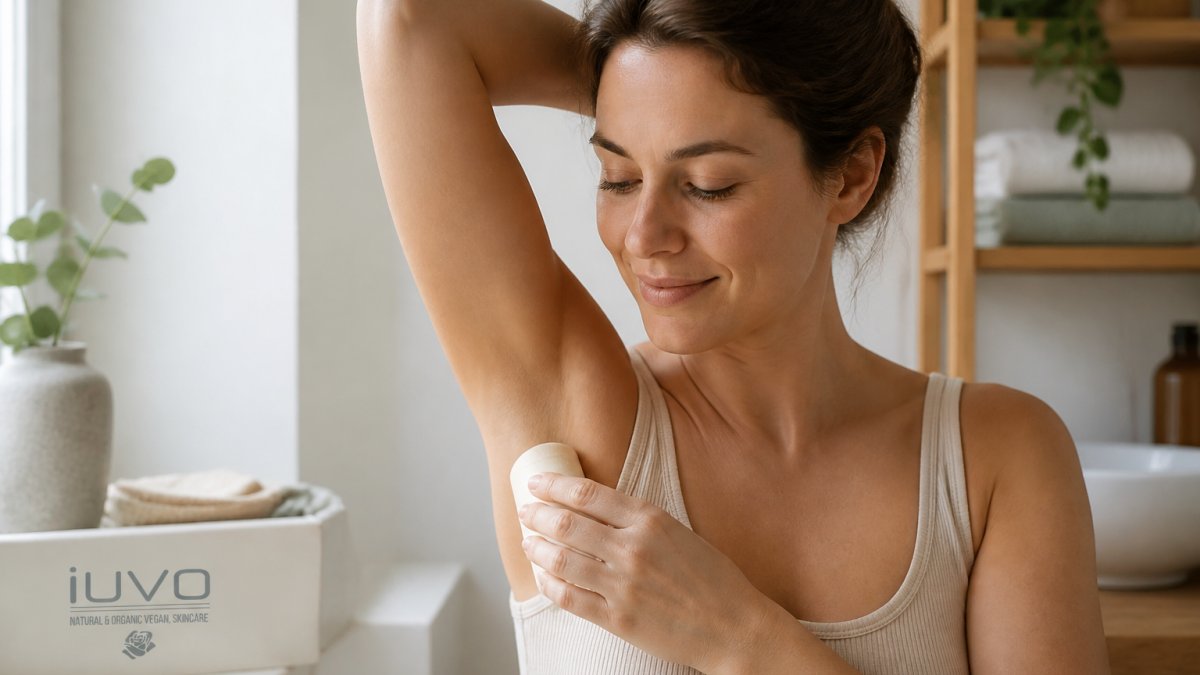
Close-up of a person applying a natural deodorant bar to their underarm, with a calm and gentle expression, soft natural lighting
Beyond the mineral base, incorporating natural fragrance alternatives ensures that your daily routine remains as soothing to the senses as it is to your skin.
Neither ingredient is a cure-all, and neither stops sweat. What they do is manage odour gently, which is exactly what a sensitive underarm needs.
How to Transition to Natural Deodorant Without Discomfort
Learning how to transition to natural deodorant is mostly about patience and timing. Your underarm has been used to an antiperspirant that blocked sweat glands. Switching to a natural formula lets that sweat return, and the skin and its microbiome need a week or two to adjust.
Most guides stop there. What they rarely give you is a realistic picture of what the adjustment actually feels like, day by day. Here is the pattern we hear most often from customers moving to a bicarbonate-free bar.
The Detox Timeline: What to Expect, Day by Day
This is not a medical detox in the clinical sense. It is simply your underarm microbiome and sweat glands returning to their natural state after being suppressed. The timeline varies, but a common pattern looks like this:
- Days 1-3: You may notice more wetness than you are used to, because sweat is no longer being blocked. Odour is usually manageable at this stage. Apply a thin layer to clean, dry skin and resist the urge to reapply repeatedly.
- Days 4-7: This is often the peak of the adjustment. Odour can feel stronger than before you switched, as the bacterial population on the skin rebalances. It is temporary. A midday wash and a single fresh swipe works better than layering more product.
- Days 8-14: Most people notice odour settling into a new, lower baseline. Wetness remains, but it is no longer surprising. This is the point where many customers decide the switch was worth it.
- Weeks 3-4: For most people the underarm has fully adjusted. If you are still experiencing strong odour at this stage, the formula may not be the right match for your skin, and it is worth trying a different active ingredient such as zinc oxide rather than magnesium hydroxide.
If you have reacted badly to bicarbonate of soda before, give the area a full week to heal before starting any new formula. Starting on irritated skin will only confuse the picture.
Why the First Two Weeks Feel Worse
It helps to understand the mechanism. Conventional antiperspirants rely on aluminium salts, which form a temporary plug in the sweat duct and reduce how much sweat reaches the skin surface. They also shift the underarm environment enough to suppress some of the bacteria that produce odour.
Unscented | ANTIPERSPIRANT DEODORANT | 60g →
When you stop, two things happen at once. Sweat returns to its normal volume, and the bacterial population re-establishes itself. Neither is harmful, but together they explain the stronger smell people notice in the first fortnight. A natural deodorant without baking soda works by neutralising the acids those bacteria produce, so it takes a few days of regular use to keep pace with the rebalancing.
Practical Rules That Make the Switch Easier
- Start on a quiet week. Don't begin the day before a big event. Give yourself a low-stakes window.
- Apply to clean, dry skin. Moisture stops the formula from working and encourages irritation.
- Use a thin layer. More product does not mean more freshness. A single swipe is enough.
- Keep a backup. On heavy days, a quick wash and reapply works better than piling on more product.
- Don't switch formulas mid-detox. Changing products every few days makes it impossible to tell whether the issue is the transition or the formula itself.
Choosing the Best Natural Deodorant for Sensitive Skin
The best natural deodorant for sensitive skin is fragrance-free or lightly scented with essential oils, free from bicarbonate of soda, and built on moisturising agents that support the skin barrier rather than strip it.
When you read a label, look for:
- Aluminium-free formulas with magnesium hydroxide or zinc oxide
- No sodium bicarbonate or bicarbonate of soda
- No synthetic fragrance if you're reactive
- Plant-based butters such as shea butter and coconut oil
- Vegan and cruelty-free certification if that matters to you
This is where we put our own range to work. [Our Unscented Antiperspirant Deodorant is designed for exactly this situation](/products/unscented-antiperspirant-deodorant-body-60g): a natural, gentle deodorant bar with no essential oils at all, so there's nothing to provoke a reaction. If you prefer a scent, the Rosemary, Lemongrass and Neroli bars use essential oils instead of synthetic fragrance. All four are £12.00 for a 60g applicator.


Each bar comes in a recycled straw applicator that can be reordered on subscription and recycled again, which fits the eco-friendly packaging many of our customers ask for. We suggest reordering every three months.
Sweat vs Odour: What Natural Deodorant Can and Cannot Do
This is the distinction that causes the most disappointment, so let's be direct. Natural deodorant controls odour. It does not stop sweat.
Sweating is your body's cooling system, and it's healthy. What smells is not the sweat itself but the bacteria on your skin breaking it down. A natural deodorant without baking soda works on that bacteria and on the acids they produce, which is why it keeps you fresh without blocking your sweat glands.
If you want to stop sweating entirely, you need an antiperspirant, and those typically rely on aluminium salts. That's a trade-off, not a failure. For most people with sensitive skin, managing odour gently is the better long-term choice, especially if the alternative is a rash.
Where natural formulas fall short is on very heavy perspiration days, long haul travel or intense exercise. On those days, wash and reapply, or keep a spare in your bag.
Clothing and Stain Prevention with Baking Soda-Free Deodorant
One underrated benefit of switching away from bicarbonate is what it does for your clothes. Bicarbonate of soda residue is alkaline, and over time it can leave stiff, yellowish marks in the underarm of light fabrics. It also sets into the fibres with heat from washing and drying.
Bicarbonate-free formulas are kinder to your wardrobe, but they are not stain-proof. The two main culprits are different, and understanding the difference is what lets you treat them properly.
Why Natural Deodorants Can Still Mark Clothes
There are two distinct stain types, and they need different treatment:
- Mineral and salt residue. Magnesium hydroxide and zinc oxide are powders. When they mix with sweat, they can leave a white or greyish cast on dark fabrics and a stiff, chalky patch on light ones. This is a surface deposit rather than a chemical bond, so it lifts relatively easily.
- Oil-based marks. Many natural formulas use plant butters and oils such as shea butter and coconut oil as carriers. These are the ones that cause the stubborn, darker patches, because oil bonds to fabric fibres and attracts further residue over time. Heat from a tumble dryer or a hot wash can set them permanently.
This is the practical trade-off of a gentler formula: you avoid the alkaline burn on your skin, but you take on a small amount of extra laundry care.
How to Prevent Stains Before They Start
- Let the deodorant dry fully before dressing. Give it a minute or two. Dressing over a wet layer is the single biggest cause of transfer onto fabric.
- Apply less, more often. A thin layer that dries is far less likely to transfer than a thick one that stays tacky.
- Choose your fabric for the day. Natural fibres such as cotton and linen breathe and release residue more readily in the wash. Tight synthetic fabrics trap moisture and friction against the skin and hold onto oil-based residue.
- Rotate your tops. Wearing the same garment two days running gives residue a chance to build up before it is washed.
- Wash sooner rather than later. Fresh residue lifts far more easily than residue that has had a week to bond.
How to Remove Marks You Already Have
For fresh marks, a gentle soak in a mild, non-biological detergent followed by a cool wash is usually enough. For oil-based patches, a small amount of washing-up liquid worked into the underarm area before the main wash helps break down the oil, because it is formulated to cut grease.
A few rules apply across the board:
- Check the care label first. Follow the fabric's own instructions above any general advice.
- Avoid hot washes and tumble drying on stained items. Heat sets both oil and mineral residue, which is why a mark that survived one hot wash tends to be much harder to shift.
- Do not iron over a stain. The heat does the same thing as a hot wash.
- Repeat rather than scrub hard. Aggressive scrubbing can damage the fibres and make the patch more visible.
Conclusion: Finding Comfort and Confidence
The sting you felt from your last "natural" deodorant wasn't a sign that natural products don't work. It was a sign that the formula was wrong for your skin. Bicarbonate of soda is alkaline, your underarm is acidic, and the mismatch is what causes the irritation.
Switching to a natural deodorant without baking soda gives your skin barrier a chance to recover, and with a short transition period, most people find they stay fresh without the burn. If you're ready to make the change, our gentle, vegan-certified bars are handmade in small batches and free from bicarbonate, synthetic fragrance, parabens and sulphates.
Search our store to find your scent, or start with the unscented bar if your skin is still settling.
Frequently Asked Questions
What natural deodorants don't have baking soda?
Look for deodorants that use magnesium hydroxide or zinc oxide as the active ingredient instead of sodium bicarbonate. These ingredients neutralise odour without disrupting the skin's pH balance. For example, Iuvo Skincare offers a range of antiperspirant deodorant bars, such as the Unscented or Rosemary varieties, which are baking soda-free and gentle on sensitive skin.
Why does baking soda in natural deodorant cause rashes?
Baking soda (sodium bicarbonate) is alkaline and can disrupt the skin's natural pH balance, leading to irritation, redness, and a rash. This is particularly common in people with sensitive skin or conditions like eczema. The rash may appear as itchy, bumpy skin and can be uncomfortable. Switching to a baking soda-free deodorant often resolves the issue.
How do I know if my deodorant is causing skin irritation?
Signs include itching, redness, swelling, or a bumpy rash in the underarm area. If you notice these symptoms after applying deodorant, it may be the culprit. Try switching to a gentle, baking soda-free formula like Iuvo Skincare's natural deodorant bars, which are free from harsh additives and designed for sensitive skin.
What ingredients should I look for in a baking soda-free deodorant?
Seek out magnesium hydroxide or zinc oxide for odour control, along with soothing ingredients like shea butter and coconut oil. Avoid synthetic fragrances and essential oils if you have very sensitive skin. Iuvo Skincare's deodorants are vegan, cruelty-free, and free from parabens, sulphates, and palm oil, making them a suitable choice for sensitive underarms.


